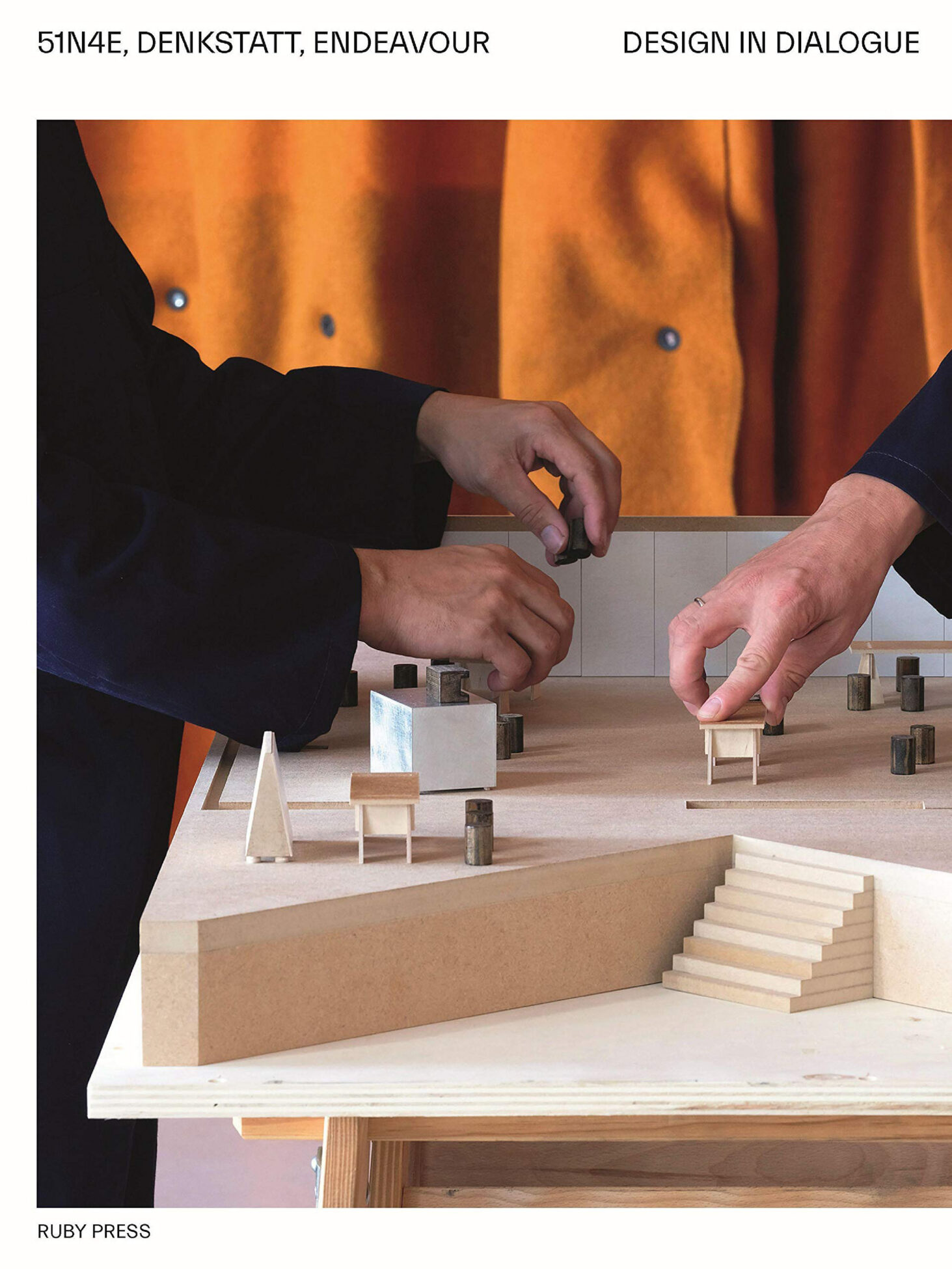
Die zweite Ausgabe der vom belgischen Architekturbüro 51N4E initiierten Reihe Chapters beschäftigt sich mit der Frage, wie Entwurfsprozesse dialogisch gestaltet werden können. Damit ist nicht notwendigerweise ein partizipativer Designprozess gemeint. Vielmehr geht es um eine Praxis des Entwerfens, die einerseits neue Situationen erzeugt, aber auch anderen die Möglichkeit gibt, etwas hinzuzufügen, zu entfernen oder zu verändern. Vor allem erkennt Dialogisches Entwerfen an, dass Konflikt und Komplexität das Herzstück urbaner Transformation sind.
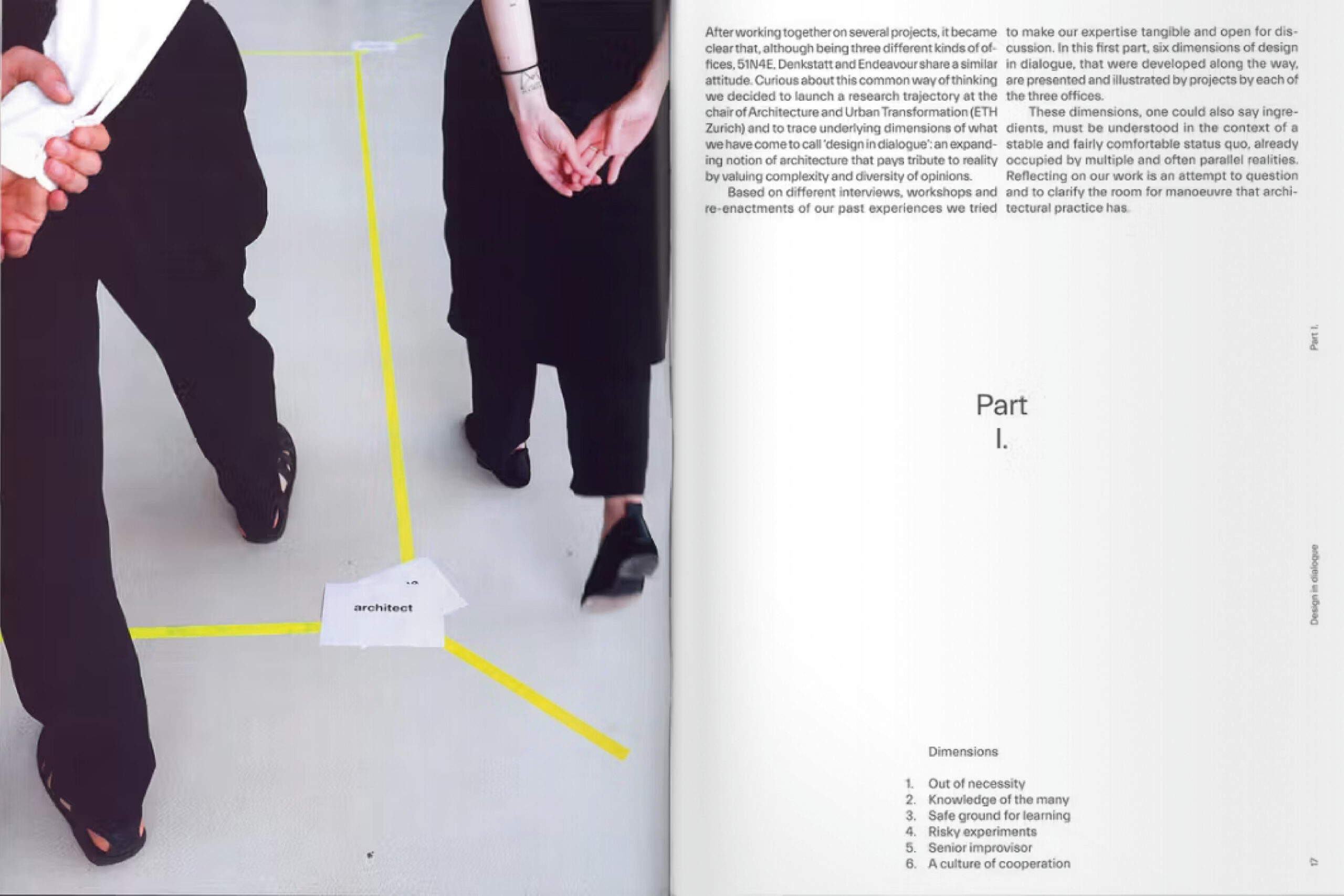
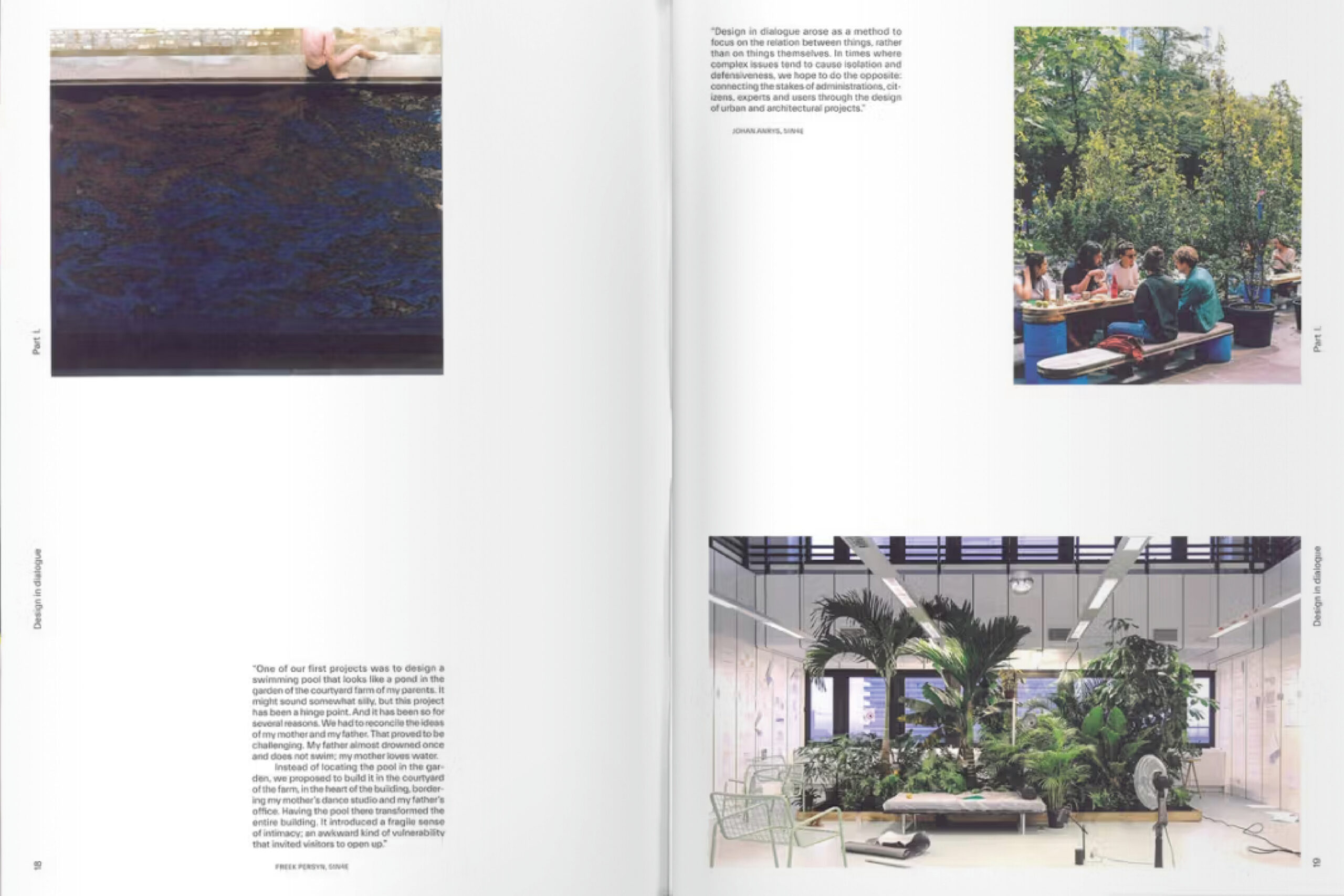
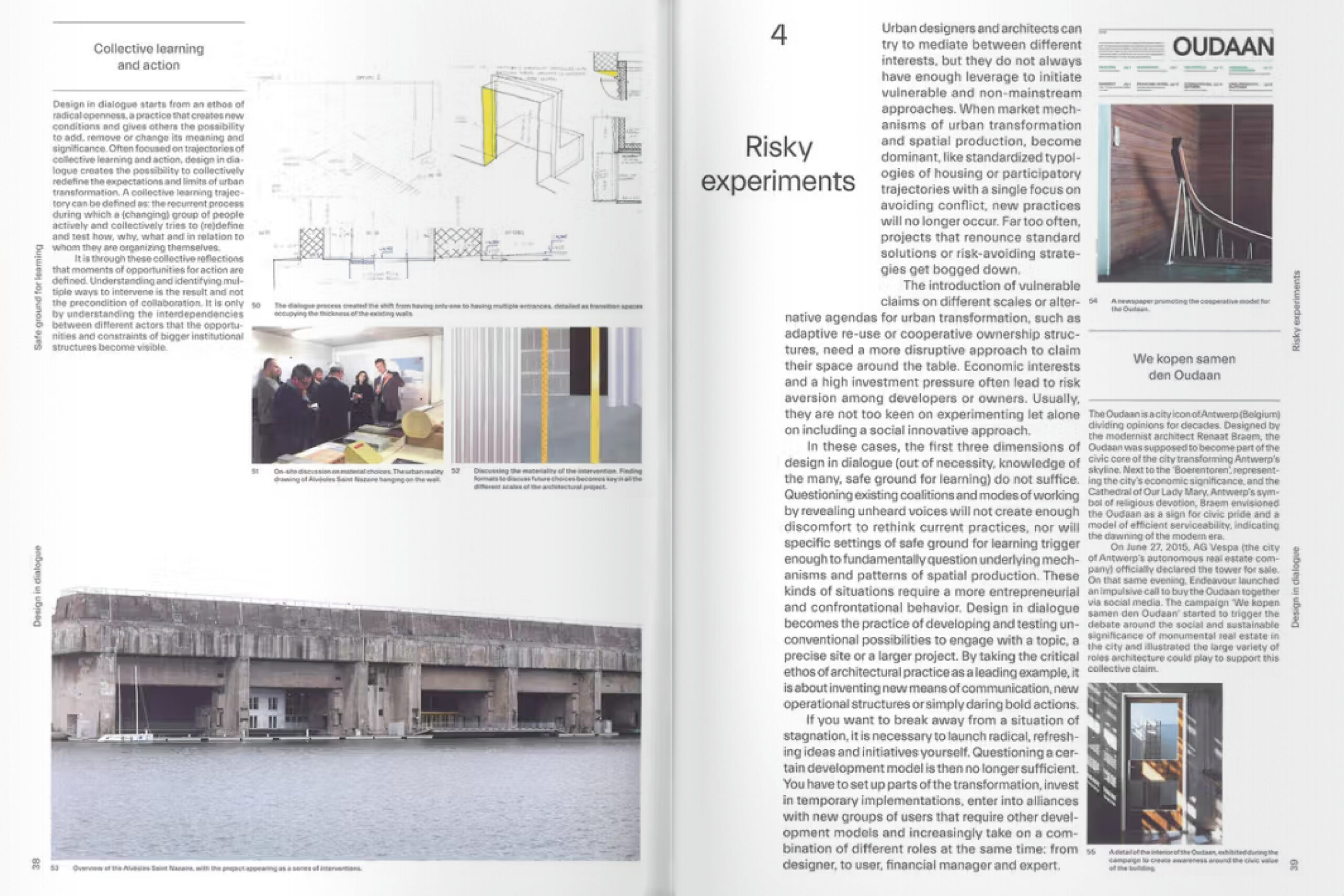
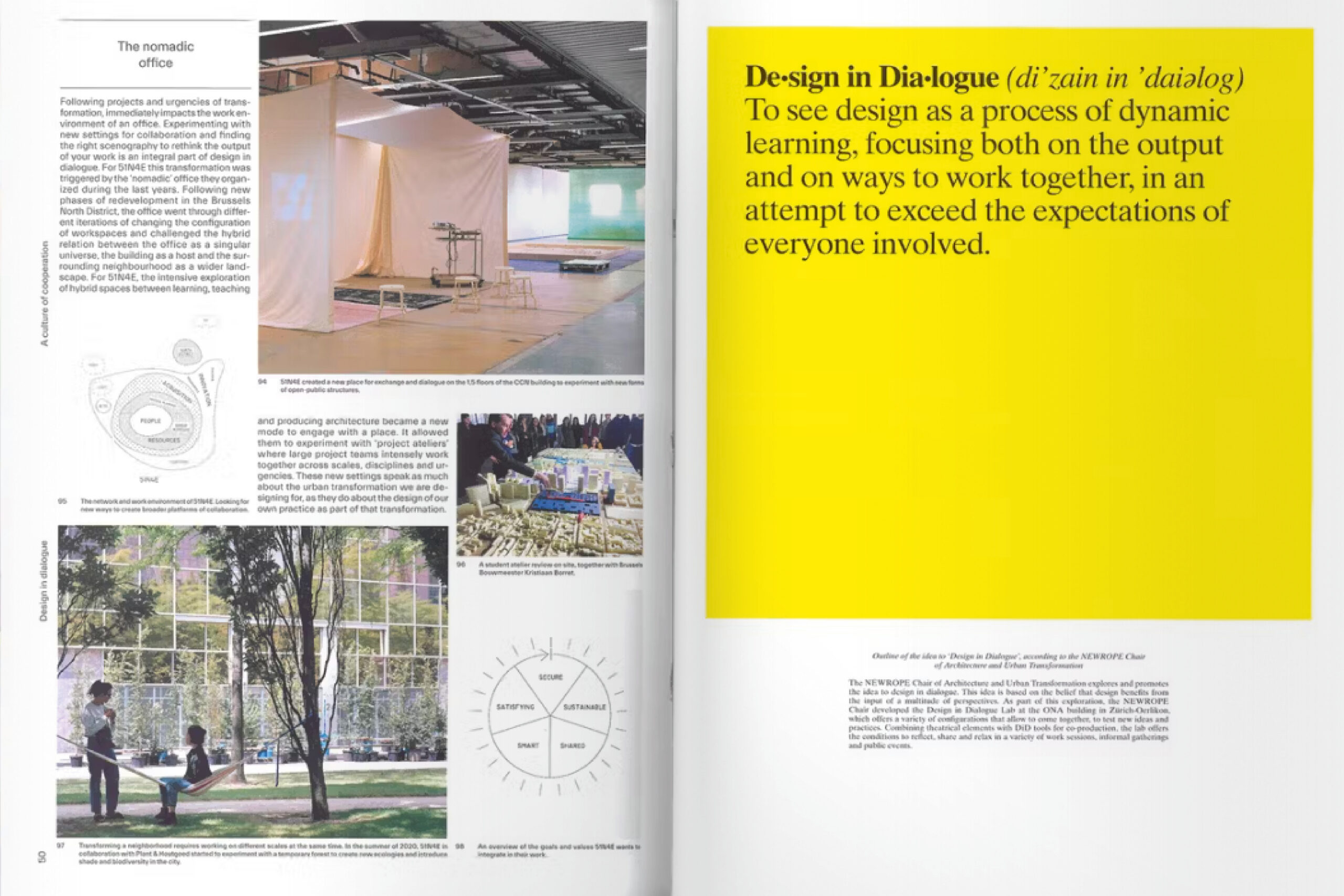
In seinem ersten Teil untersucht Design in Dialogue die Arbeit des Brüsseler Architekturbüros 51N4E, des Antwerpener Büros für sozial- räumliche Innovation endeavour und des Baseler Büros für urbane Transformation Denkstatt. Alle drei Büros loten die Grenzen der architektonischen Praxis aus und stellen das Selbstverständnis von Architekten und Stadtgestaltern in Frage, denen es oft mehr um Autonomie und Monolog als um Offenheit und Dialog geht. Obwohl sich die drei Büros radikal unterscheiden, schätzen sie alle den Wert von Design im Dialog.
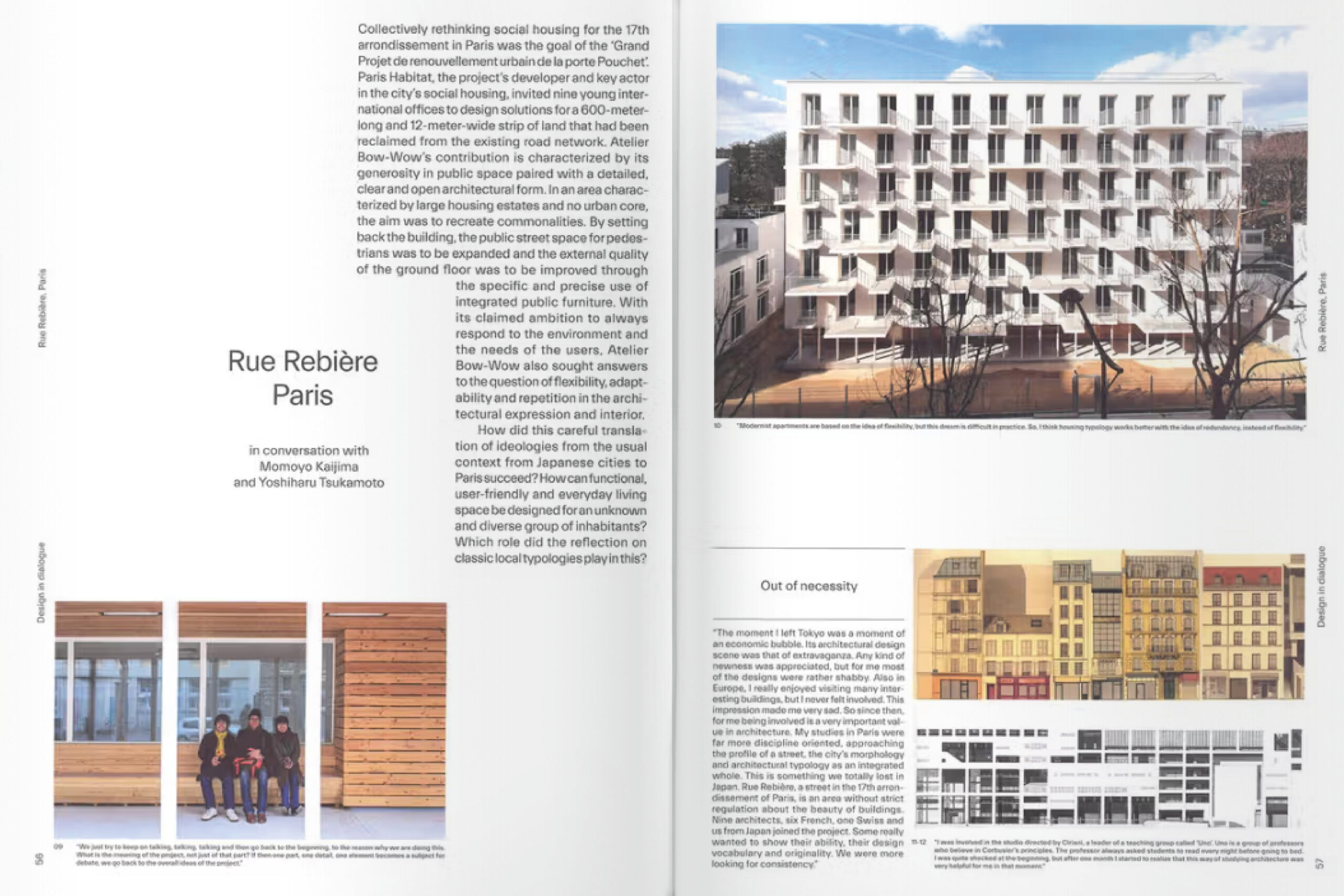
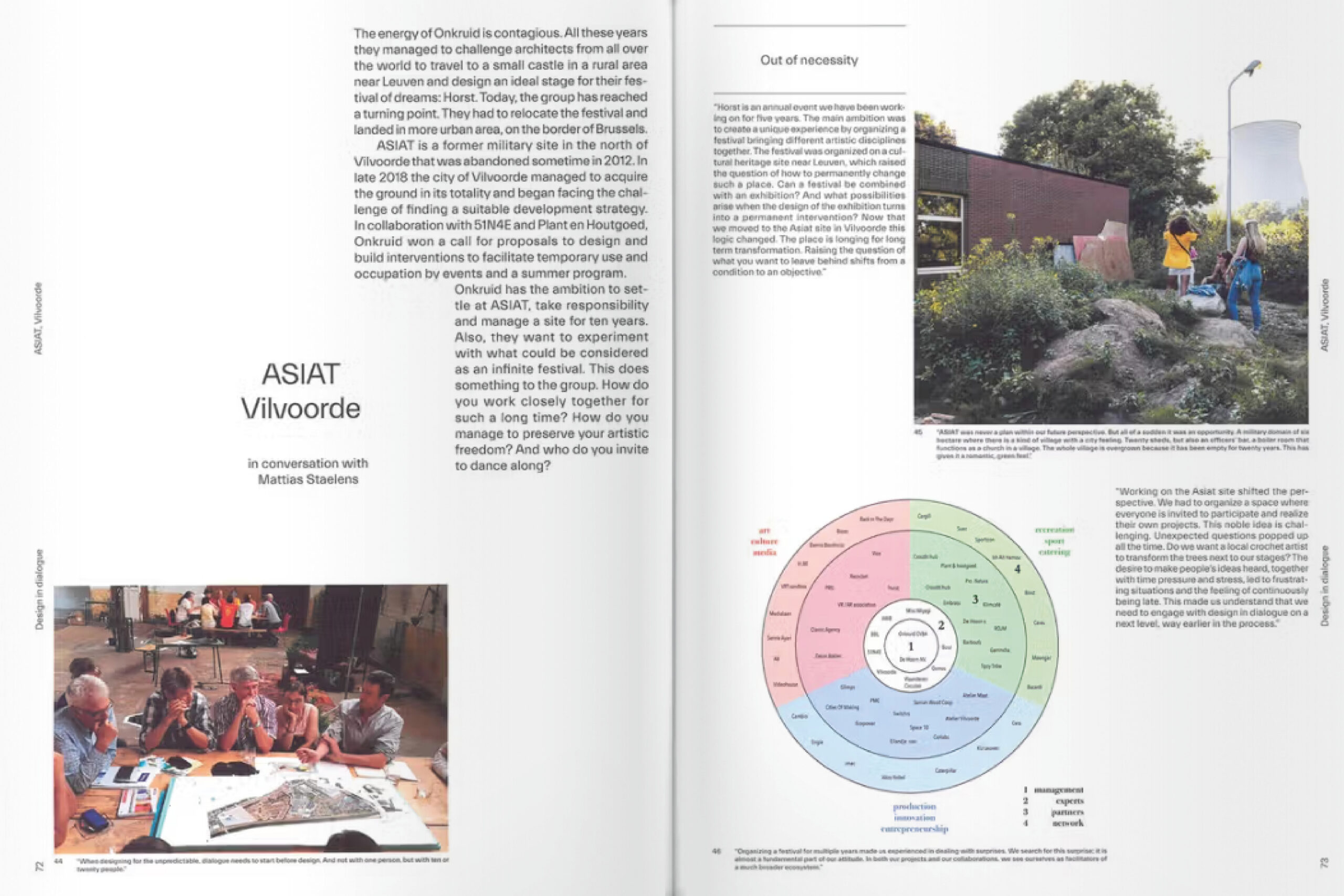
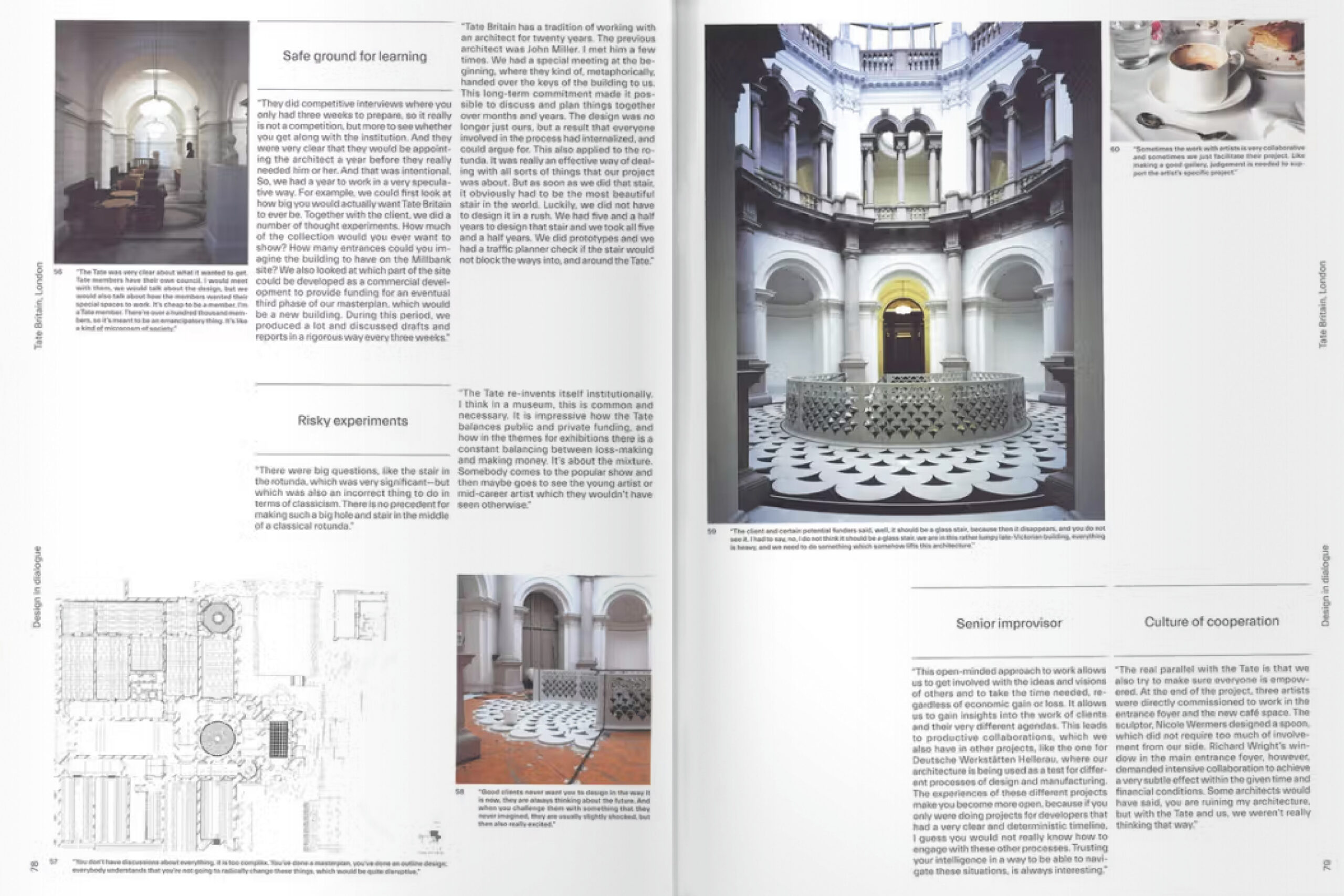
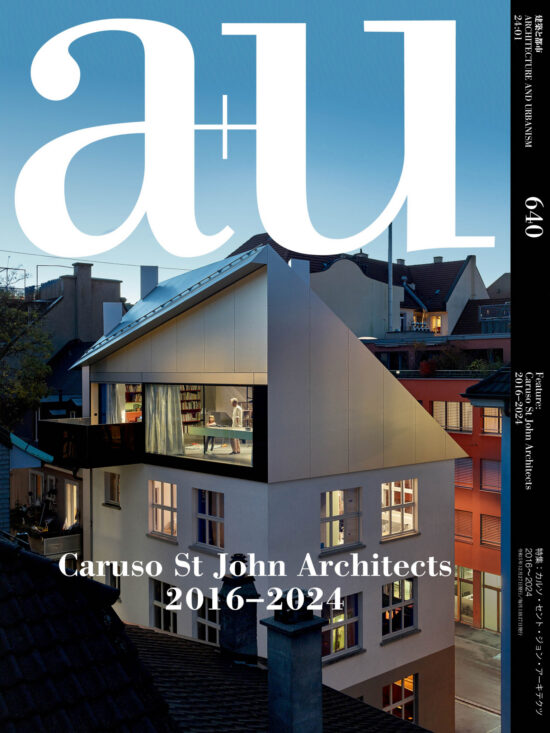
Der zweite Teil der Publikation veranschaulicht anhand einer Vielzahl von europäischen Architekturbüros und -projekten, unter welchen Bedingungen dialogisches Entwerfen eine produktive Dynamik entfaltet. Die Autoren verstehen Design in Dialogue nicht als eine neue Methodik, sondern als eine befreiende Entwurfspraxis des Teilens, Wertschätzens und Weiterentwickelns. Mit Projekten von Harder Haas, Atelier Bow-Wow, Lacol, Studio Paola Viganò, Equip 10+1, Onkruid, Caruso St John Architects, and Communitism.
The second issue of the Chapters series, initiated by Belgian architecture office 51N4E, focuses on the question of how design processes can be shaped through dialogue to give different actors the opportunity to add, remove or change something in an attempt to exceed the expectations of everyone involved.
The first part of the book investigates the work of Brussels-based architecture firm 51N4E and two design-focused consulting firms, Endeavour from Antwerp and Denkstatt from Basel. All three companies explore the boundaries of architecture, advocating openness and dialogue with clients and users rather than the autonomy and monologue typical of many architects and urban designers. Digesting the firms’ work and probing for patterns, this book seeks to explain the craft and organizational processes that drive this design approach.
A second part of the publication examines the hidden presence of this design in dialogue approach in a wide range of European architecture firms and their projects — not as a new methodology to study, but as a liberating attitude to share, cherish, and develop. Reflecting on these undertakings illustrates the way design in dialogue can create a productive momentum and foster engagement. With projects by Harder Haas, Atelier Bow-Wow, Lacol, Studio Paola Viganò, Equip 10+1, Onkruid, Caruso St John Architects, and Communitism.