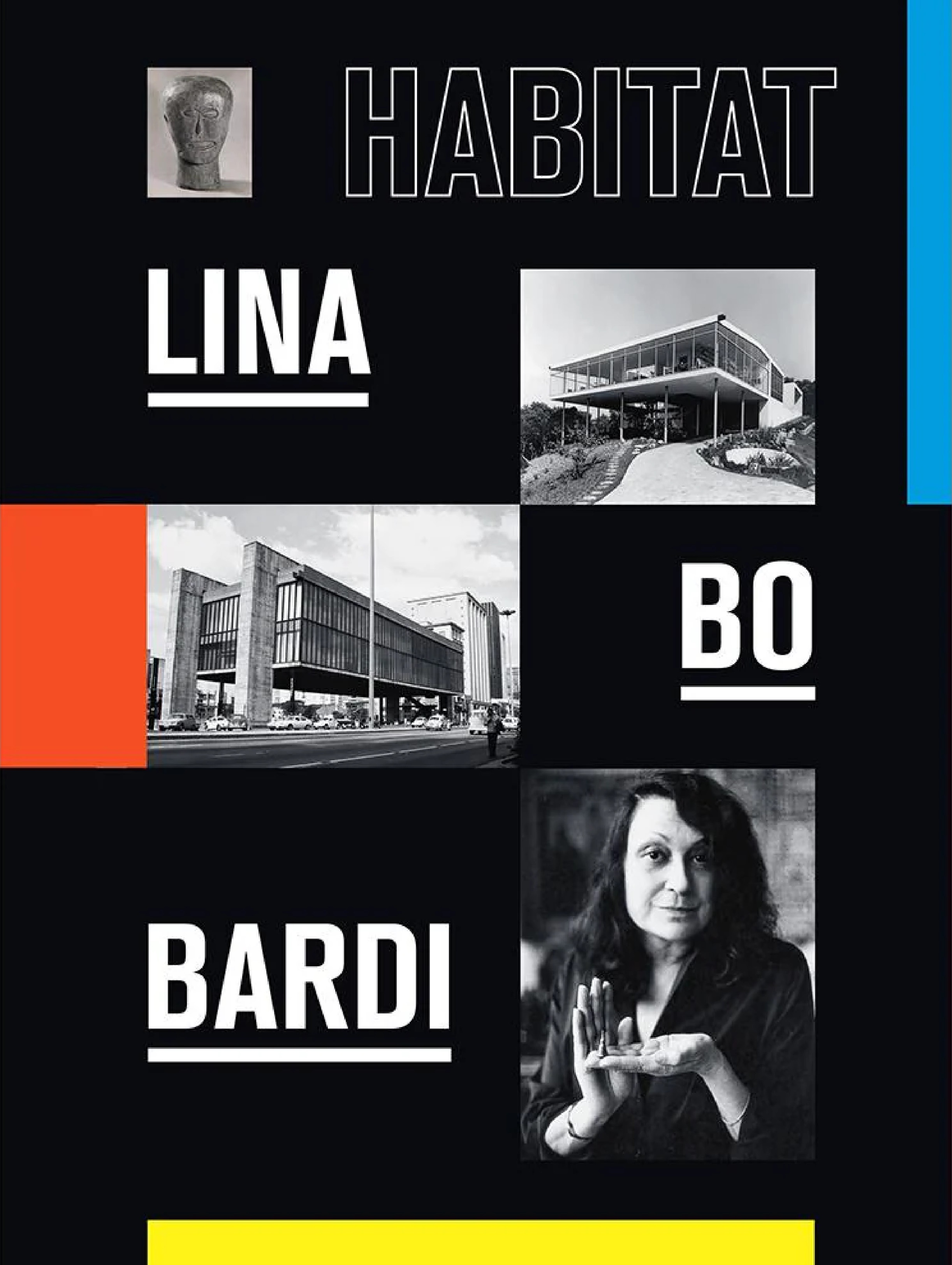
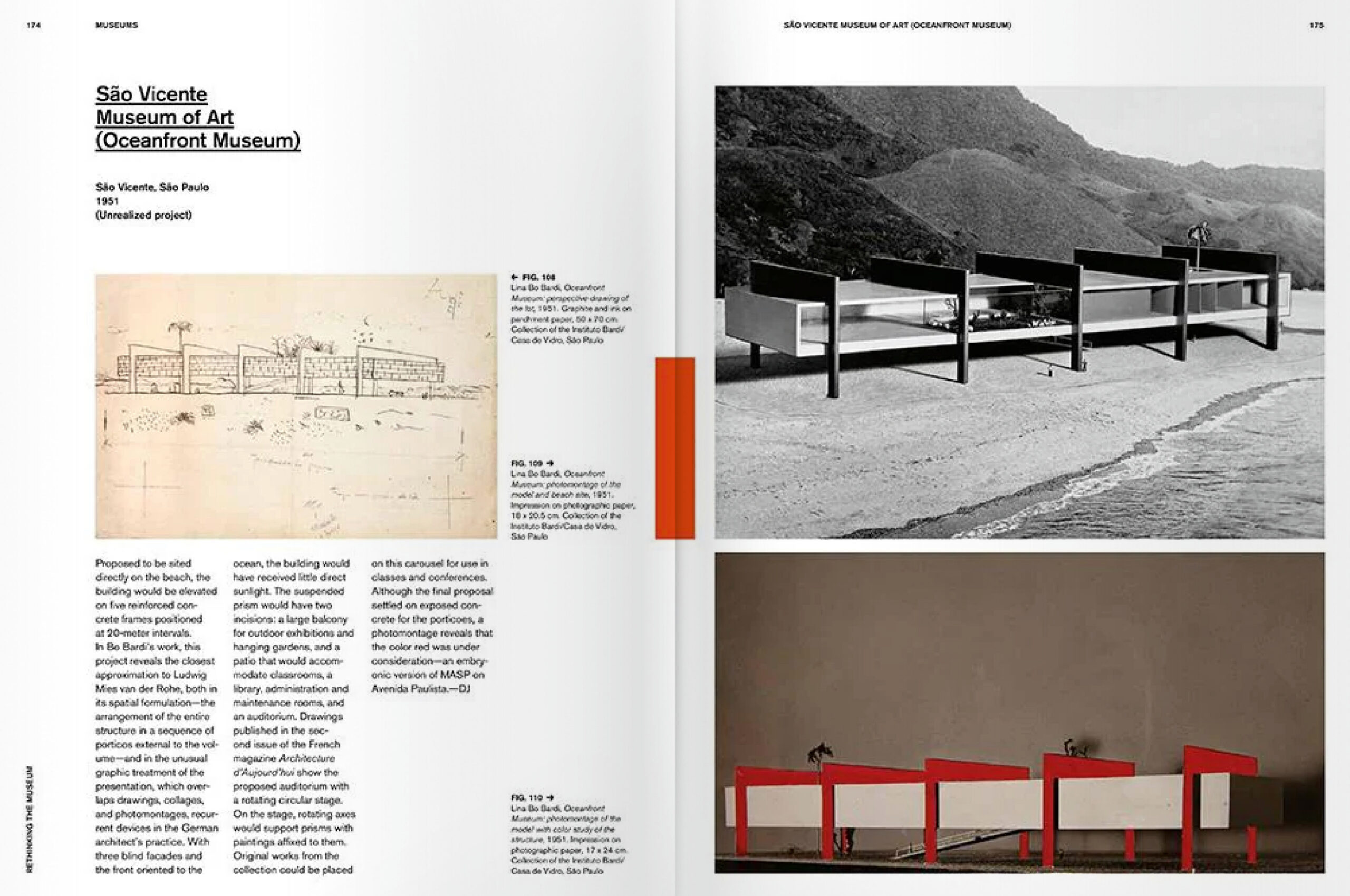
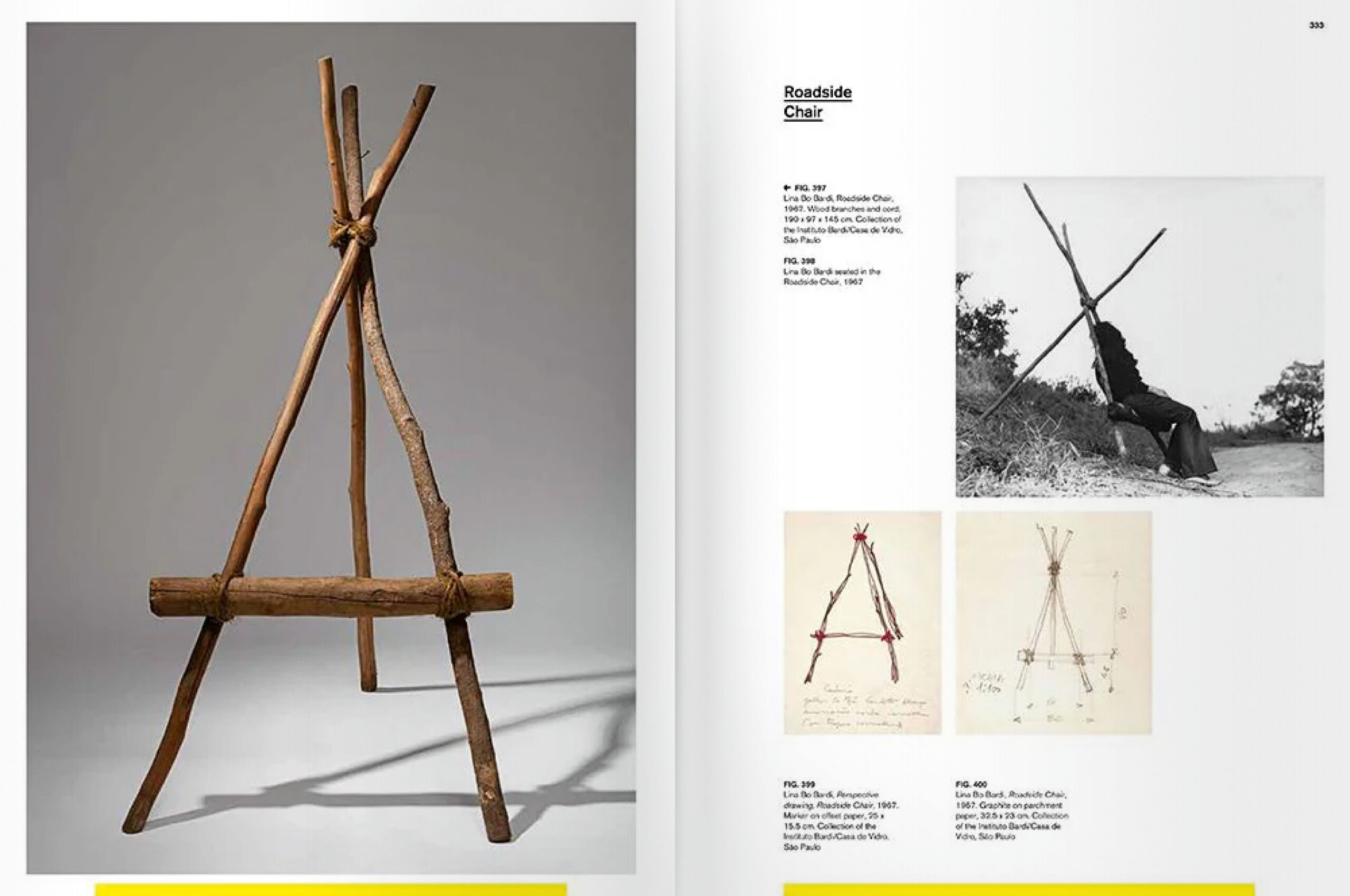
Von Möbeln und Ausstellungsdesign bis hin zu monumentalen Wohn- und öffentlichen Architekturprojekten wird in diesem reich bebilderten Buch die ganze Bandbreite von Lina Bo Bardis multidisziplinärem Werk vorgestellt.
Lina Bo Bardi gilt als eine der bedeutendsten Architektinnen in der Geschichte Brasiliens. Sie begann ihre Karriere als Architektin der Moderne in Rom und emigrierte nach dem Ende des Zweiten Weltkriegs mit ihrem Mann nach Brasilien. In ihrer Wahlheimat nahm Bo Bardi ihre Tätigkeit schnell wieder auf und schuf eine Architektur, die sowohl modern als auch fest in der brasilianischen Kultur verwurzelt war.
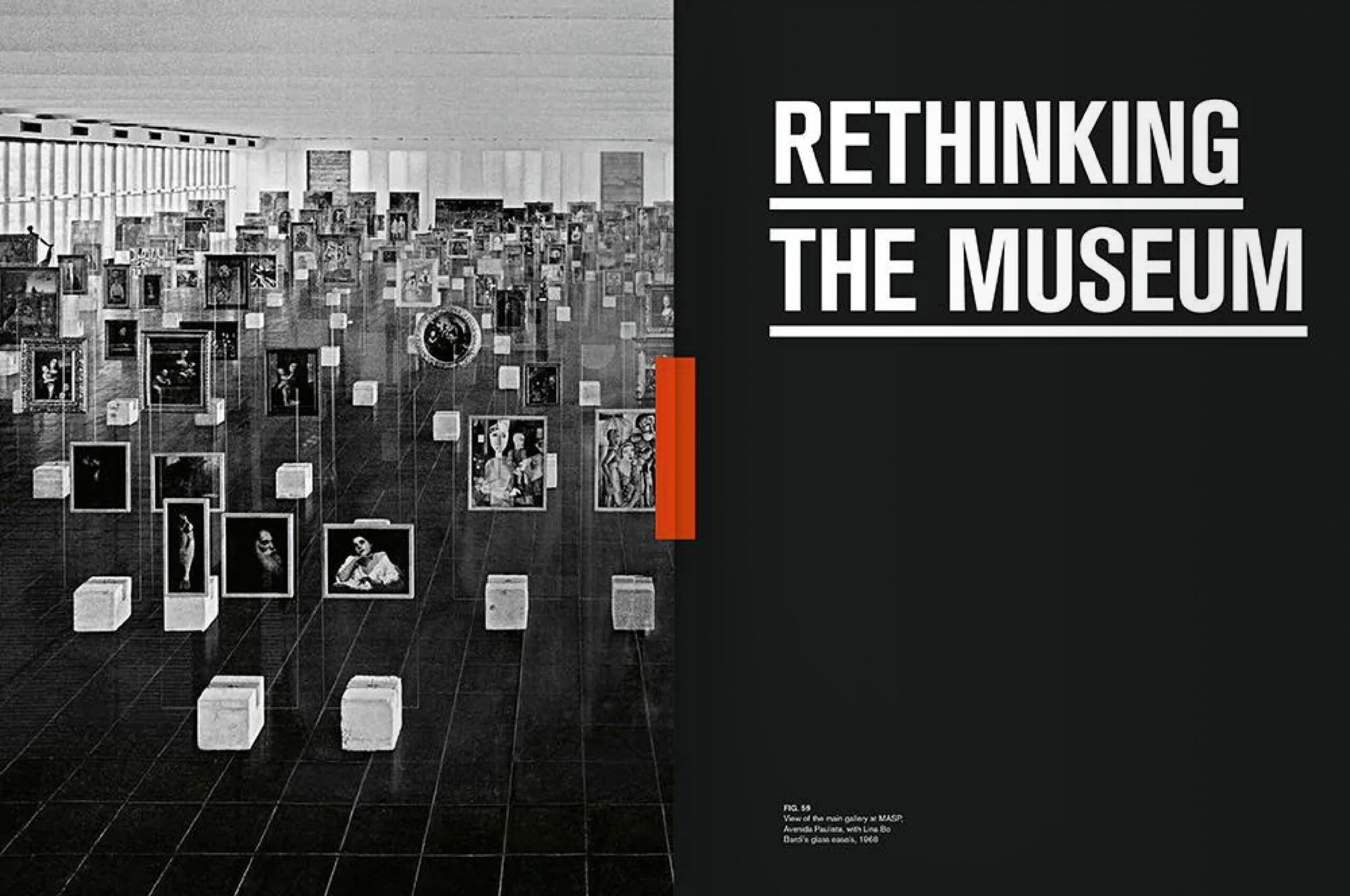
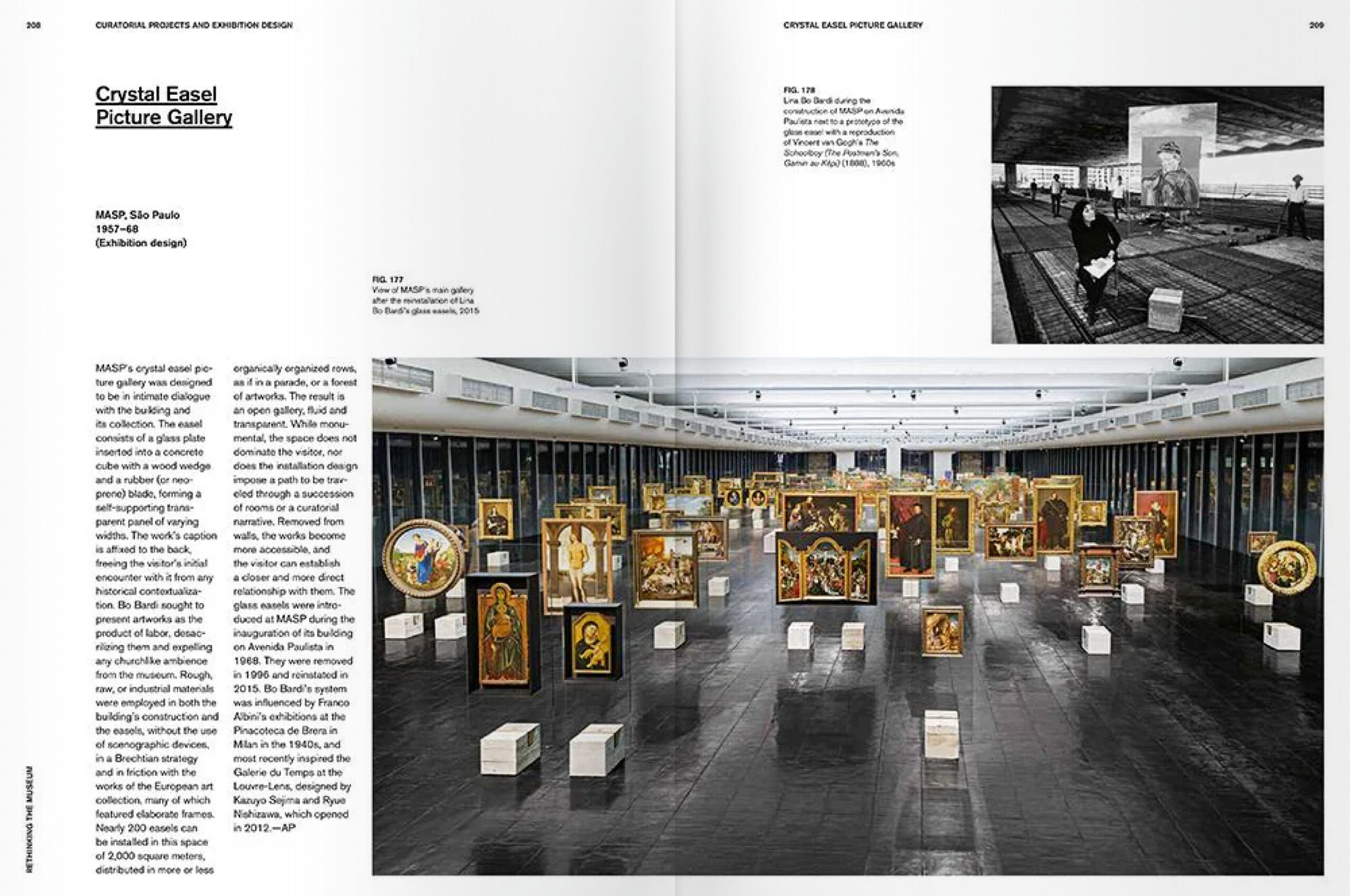
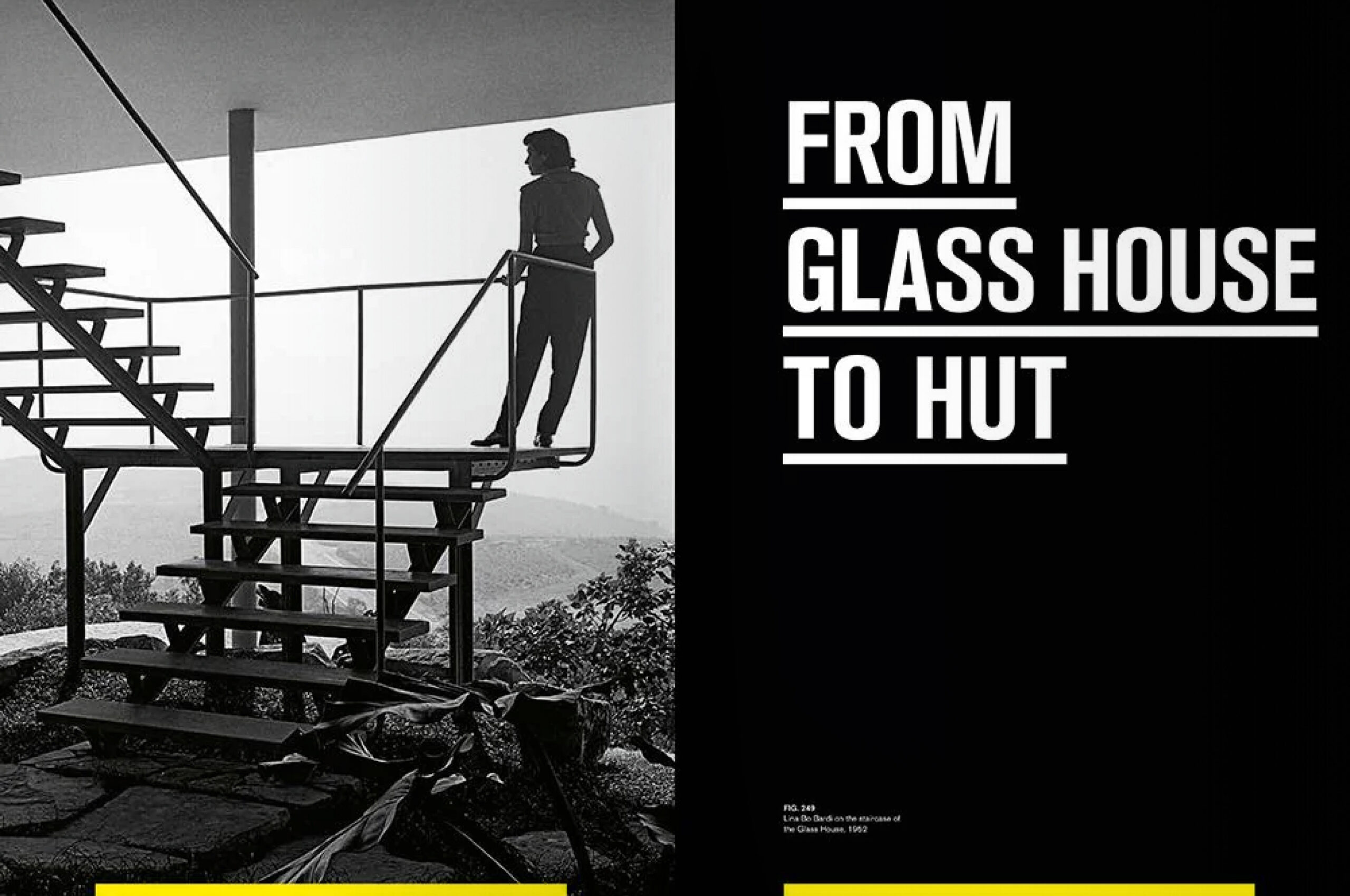
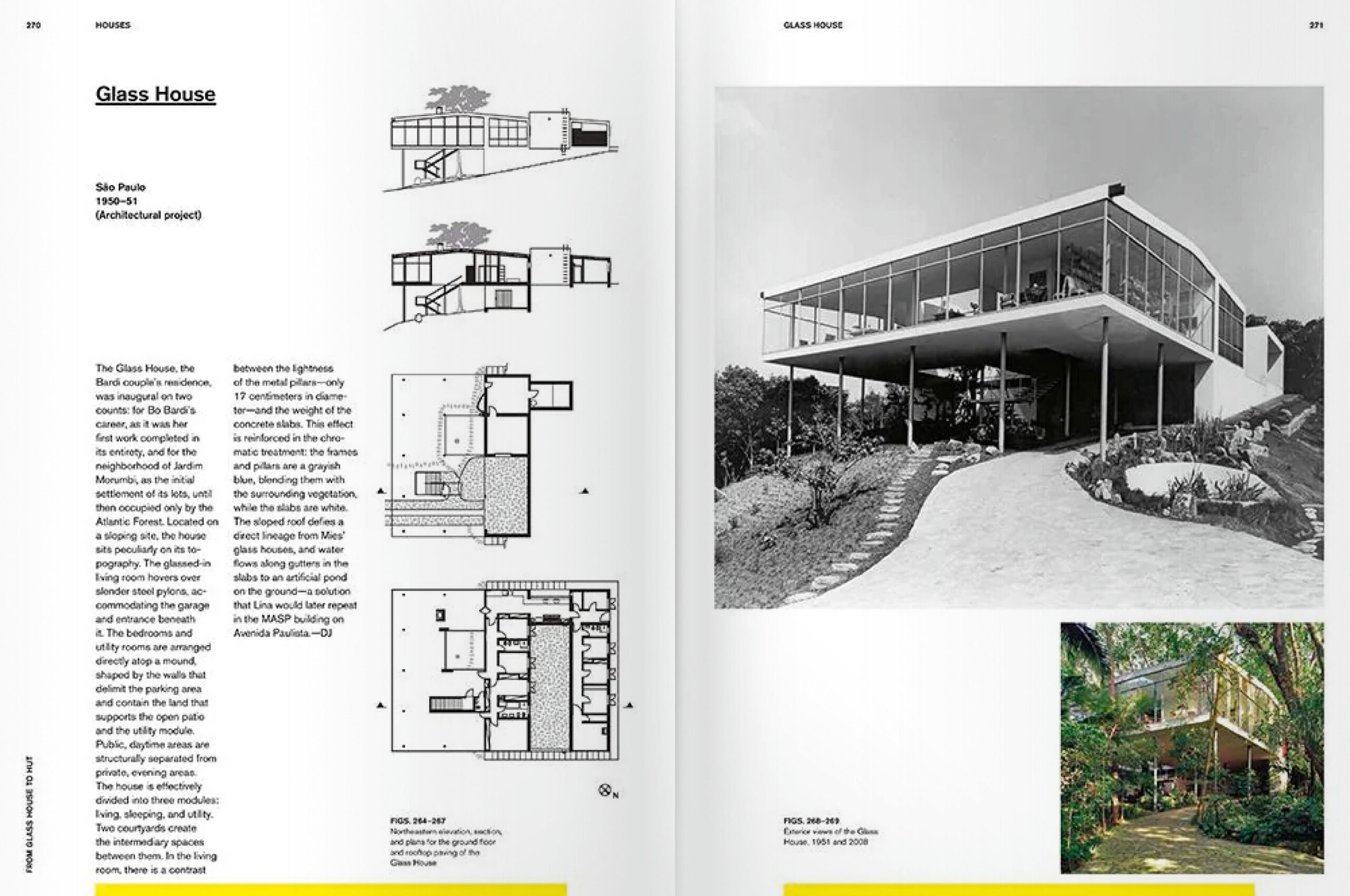
Im Jahr 1951 entwarf sie die »Casa de Vidro« (»Glashaus«), ihr erstes gebautes Werk, in dem sie und ihr Mann den Rest ihres Lebens leben sollten. Sie entwarf auch das Museu de Arte de So Paulo (Kunstmuseum von So Paulo), ein Wahrzeichen der lateinamerikanischen modernistischen Architektur, das 1968 eröffnet wurde. Für dieses Museum entwarf sie das ikonische System der Glas-Staffelei, das bis heute radikal ist.
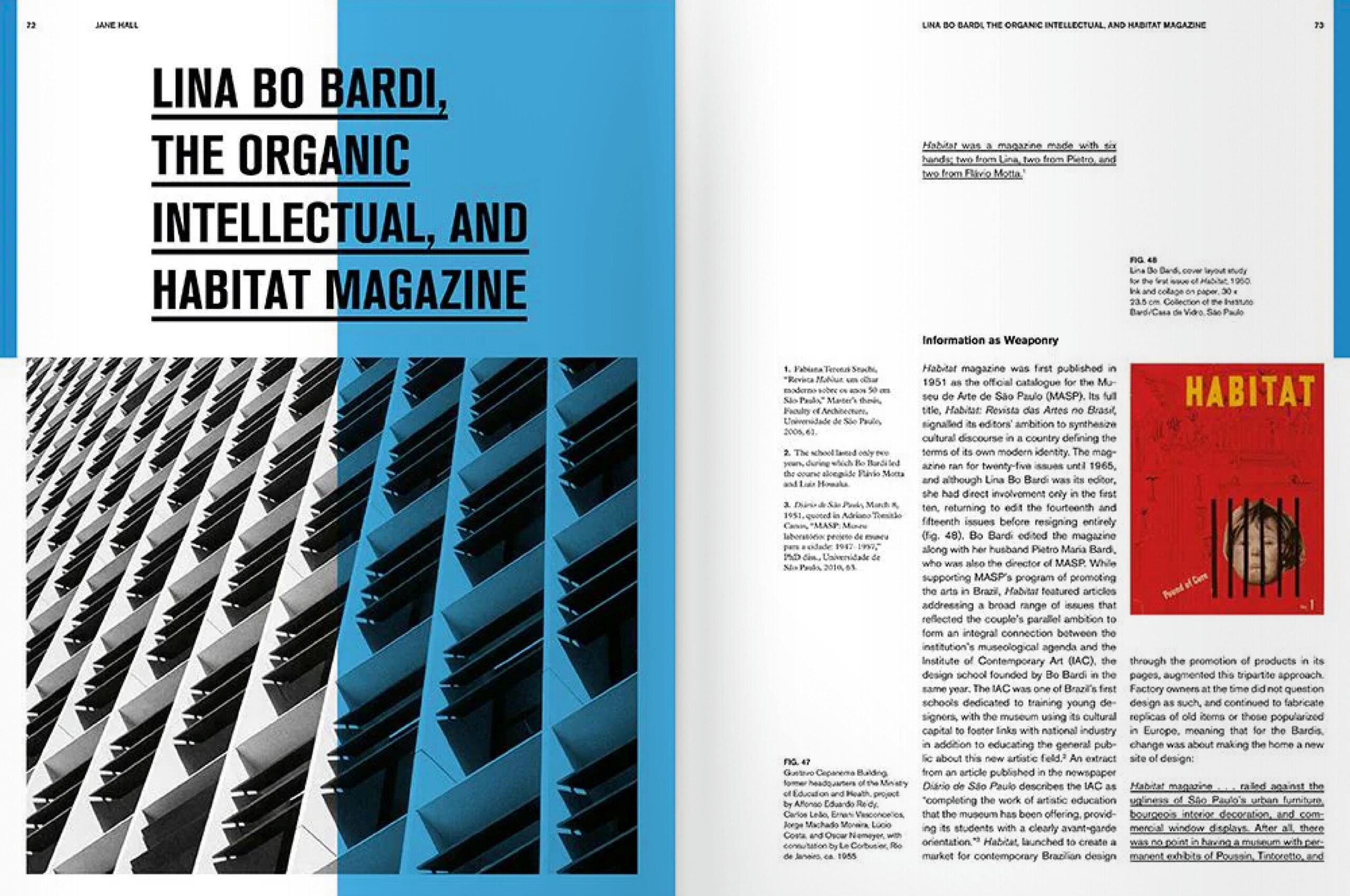
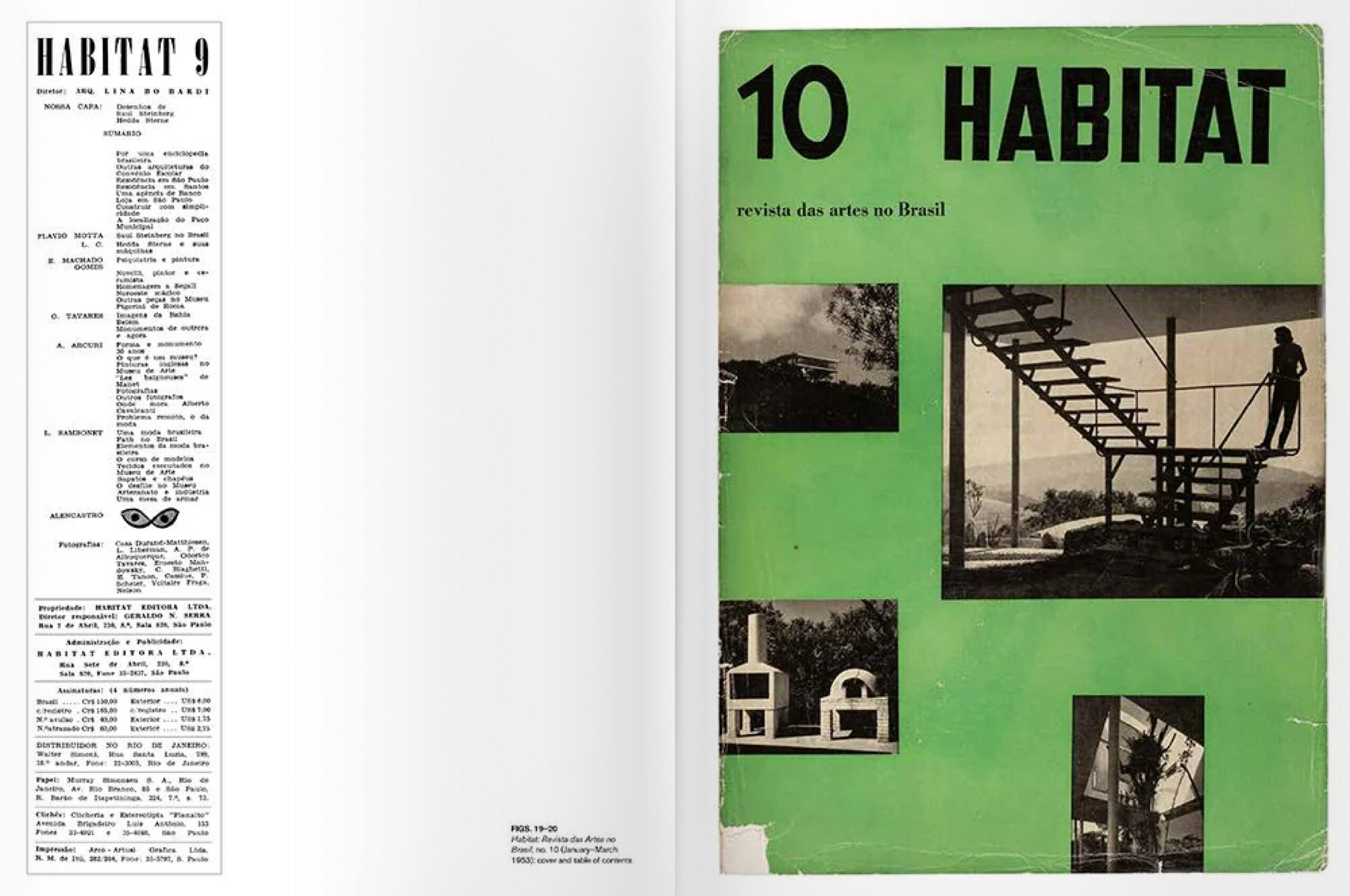
Lina Bo Bardi. Habitat bietet eine umfassende Darstellung von Bo Bardis übergreifendem Ansatz für Kunst und Architektur und zeigt, wie ihre Ausstellungsdesigns, kuratorischen Projekte und ihre Schriften ihre räumlichen Entwürfe beeinflussten. Essays über Bo Bardis Leben und Werk begleiten Archivmaterial wie Entwurfsskizzen und Schriften der Künstlerin und geben neue Einblicke in die konzeptionellen und materiellen Prozesse hinter den Projekten dieser radikalen Denkerin und Schöpferin.
From furniture and exhibition design to monumental domestic and public architectural projects, the breadth of Lina Bo Bardi’s multidisciplinary work is showcased in this richly illustrated book.
Lina Bo Bardi is regarded as one of the most important architects in Brazil’s history. Beginning her career as a Modernist architect in Rome, Bo Bardi and her husband emigrated to Brazil following the end of WWII. Bo Bardi quickly resumed her practice in her adopted homeland with architecture that was both modern and firmly rooted in the culture of Brazil.
In 1951 she designed „Casa de Vidro“ („Glass House“), her first built work, where she and her husband would live for the rest of their lives. She also designed the Museu de Arte de São Paulo (São Paulo Art Museum), a landmark of Latin American modernist architecture which opened in 1968. It was for this museum she created the iconic glass easel display system, which remains radical to date.
Lina Bo Bardi. Habitat presents a comprehensive record of Bo Bardi’s overarching approach to art and architecture and shows how her exhibition designs, curatorial projects, and writing informed her spatial designs. Essays on Bo Bardi’s life and work accompany archival material such as design sketches and writings by the artist, giving new insight into the conceptual and material processes behind this radical thinker and creator’s projects.