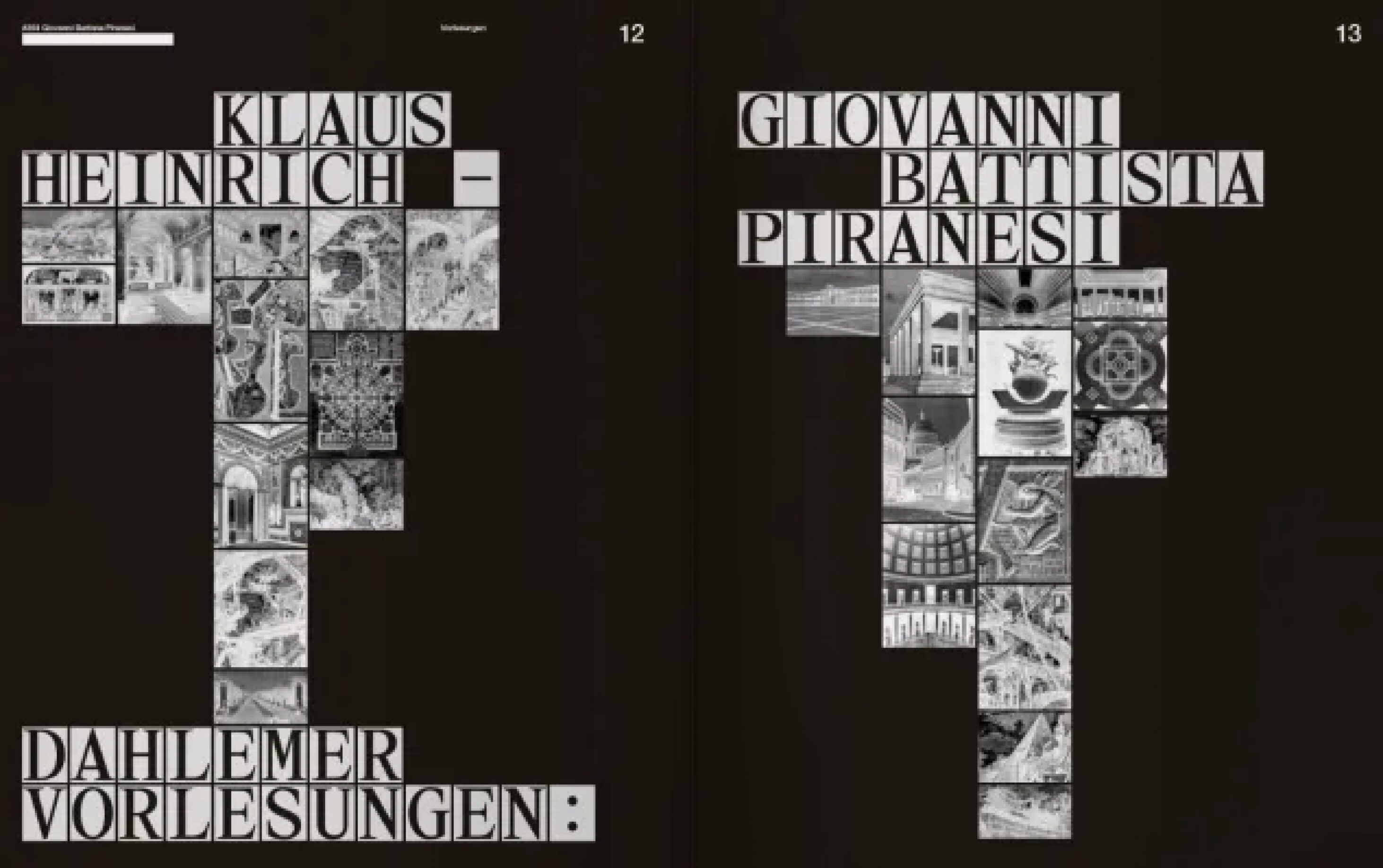
ARCH+ 254. Giovanni Battista Piranesi. Klaus Heinrich: Dahlemer Vorlesungen

28,00  inkl. MwSt.

Herausgegeben von / Edited by Nikolas Kuhnert und / and Anh-Linh Ngo.

216 Seiten / pages
23,5 × 29,5 cm
Gestaltung / Design: Stan Hema, Berlin
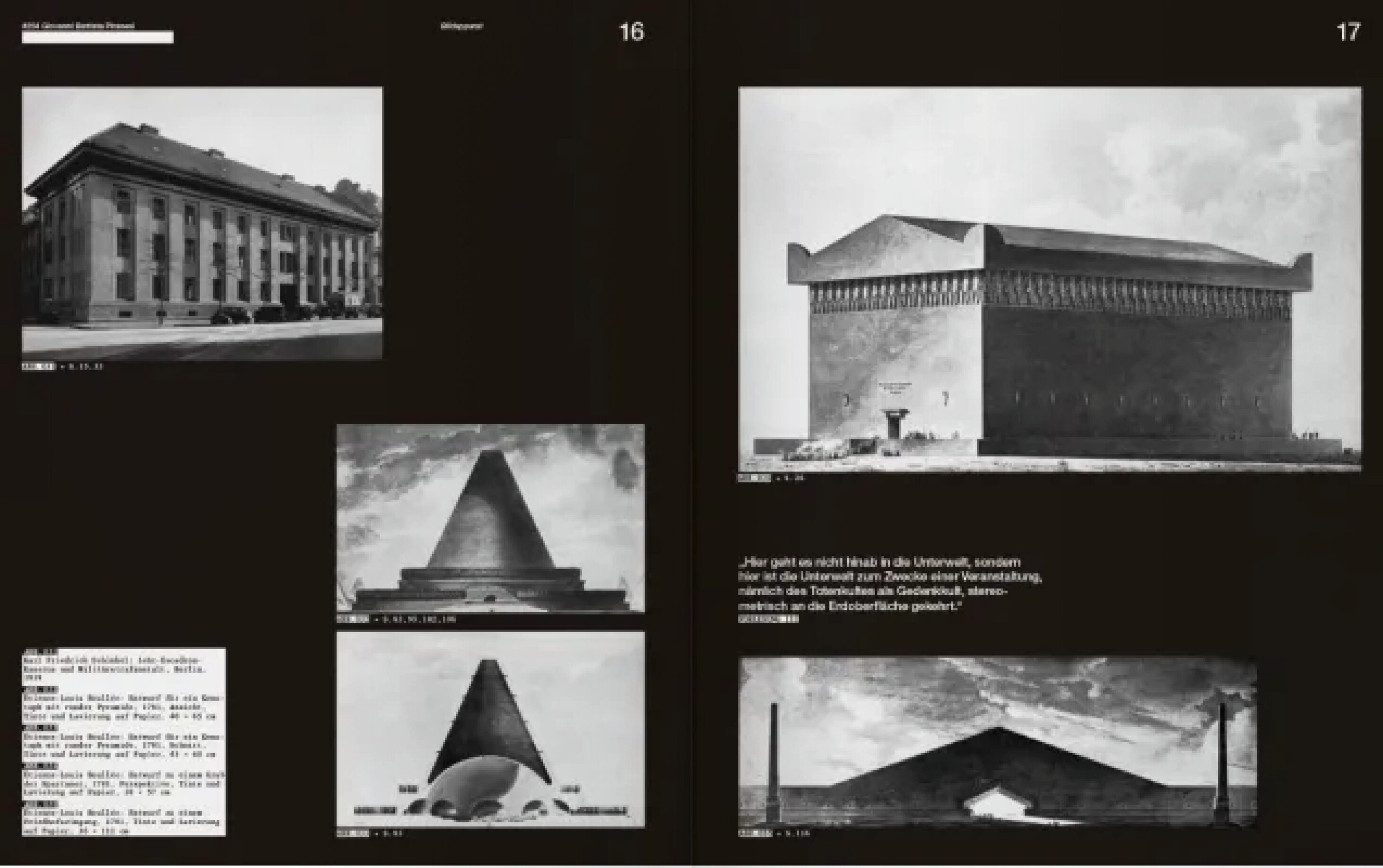
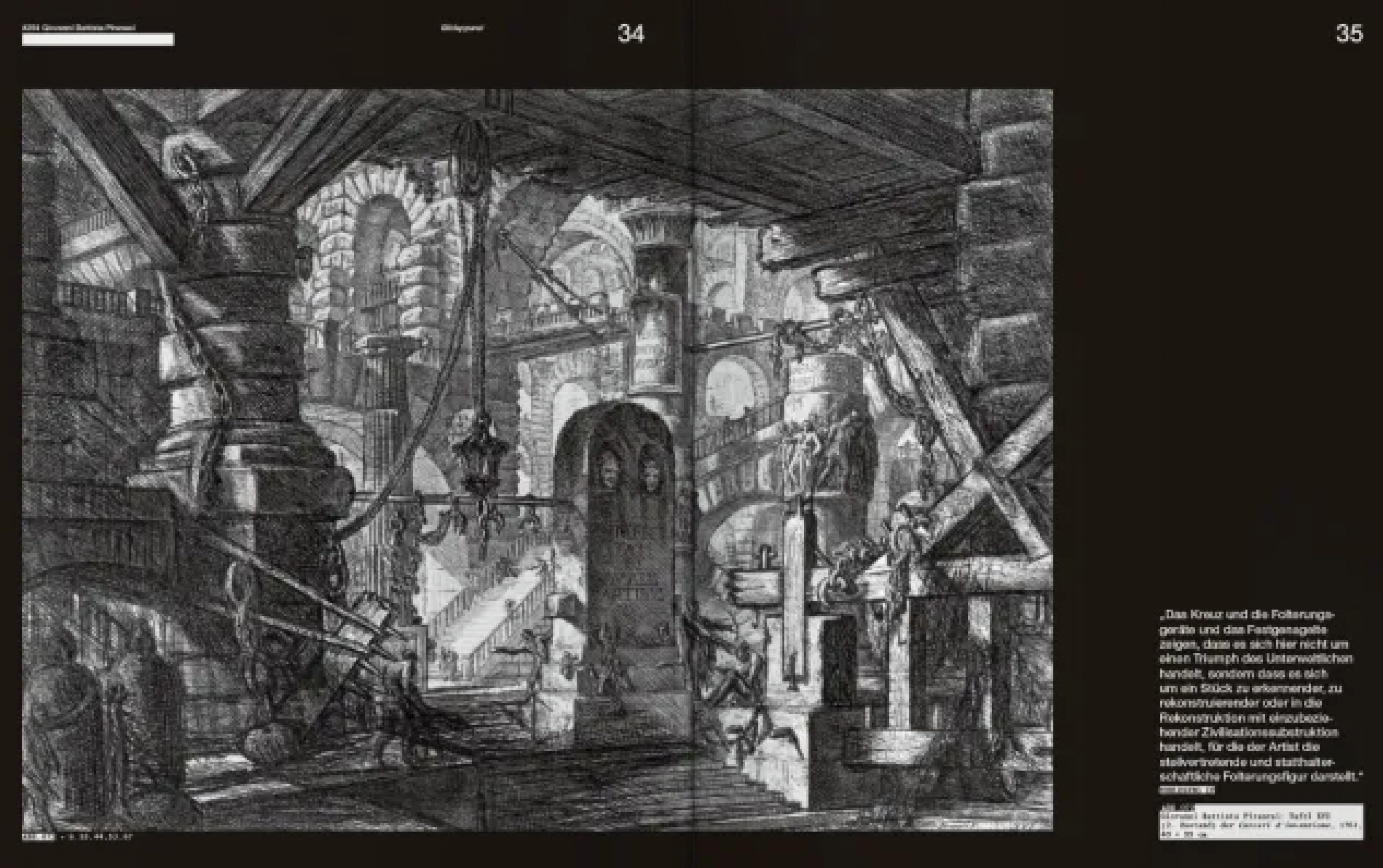
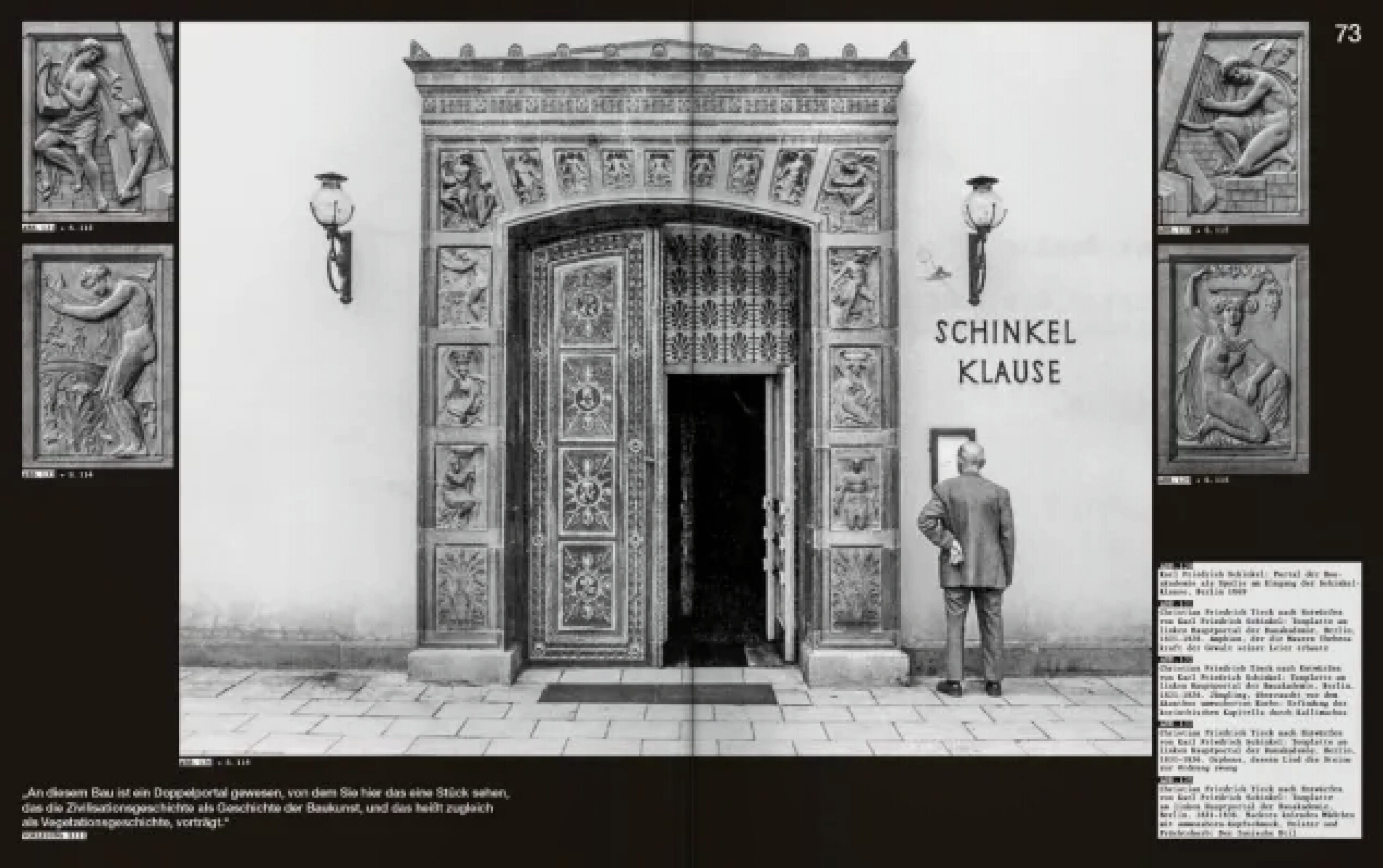
zahlreiche Abbildungen, Zeichnungen und Pläne / numerous images, drawings and plans
fadengebundene Broschur, 2-bändig / thread-bound softcover in two volumes
Deutsch / German
ARCH+, Berlin mit / with ça-ira-Verlag, Freiburg
2024

ISBN 978-3-86259-187-9

read more

3 vorrätig

Herausgegeben von / Edited by Nikolas Kuhnert und / and Anh-Linh Ngo.

Mit einem Interview mit / With an interview with Ursula Panhans-Bühler von / by Sascha Kellermann.

Das ästhetische Subjekt und die Phantasie in der Kunst stellen für Klaus Heinrich Einspruchsinstanzen gegen das transzendentale Subjekt und den Rationalismus der Philosophie dar. Im Verbund mit der Kunst und der Psychoanalyse erinnert er dabei an das, was von der Philosophie verdrängt wird: das Triebsubjekt und die unerledigten Konflikte der Gattung.

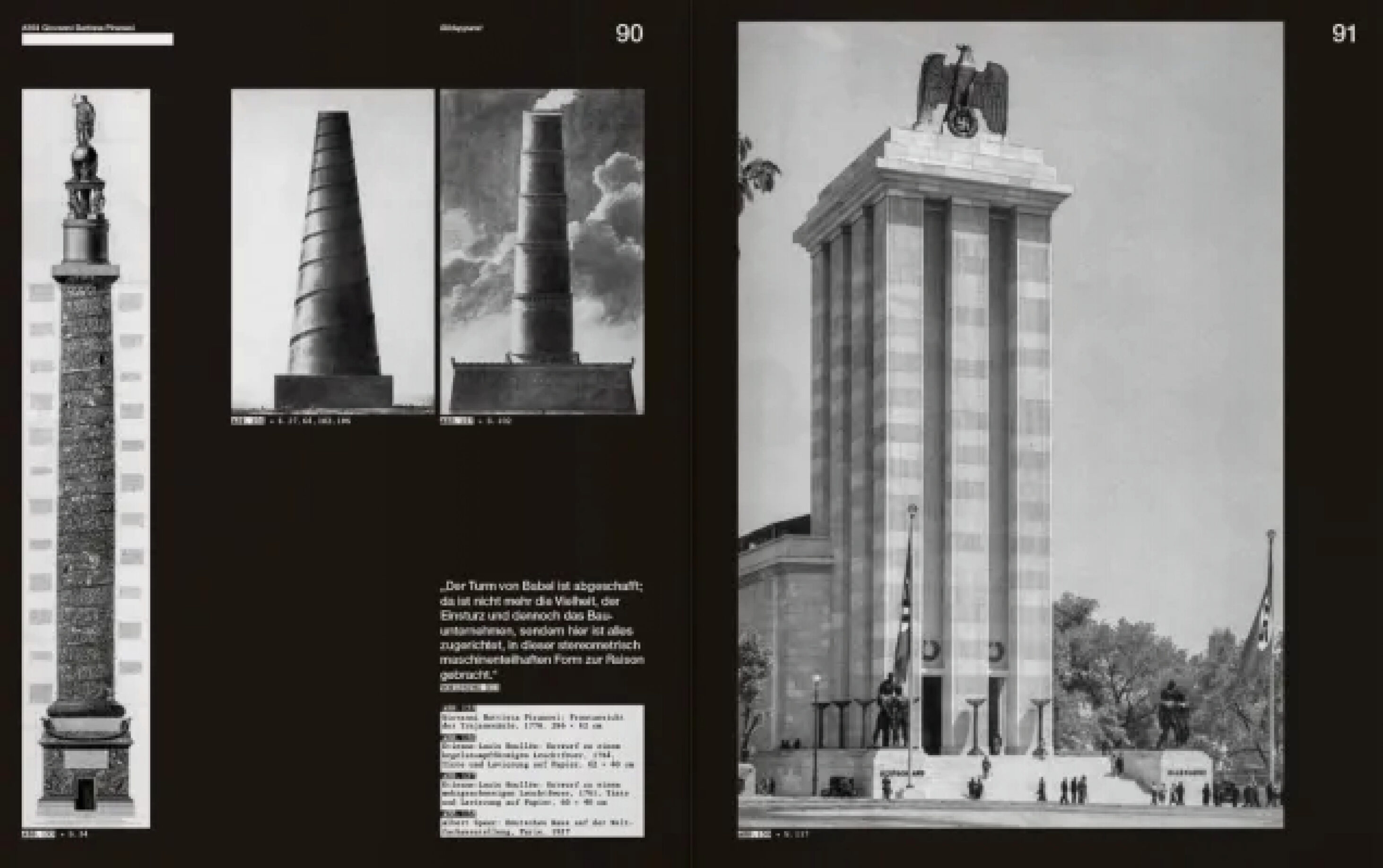
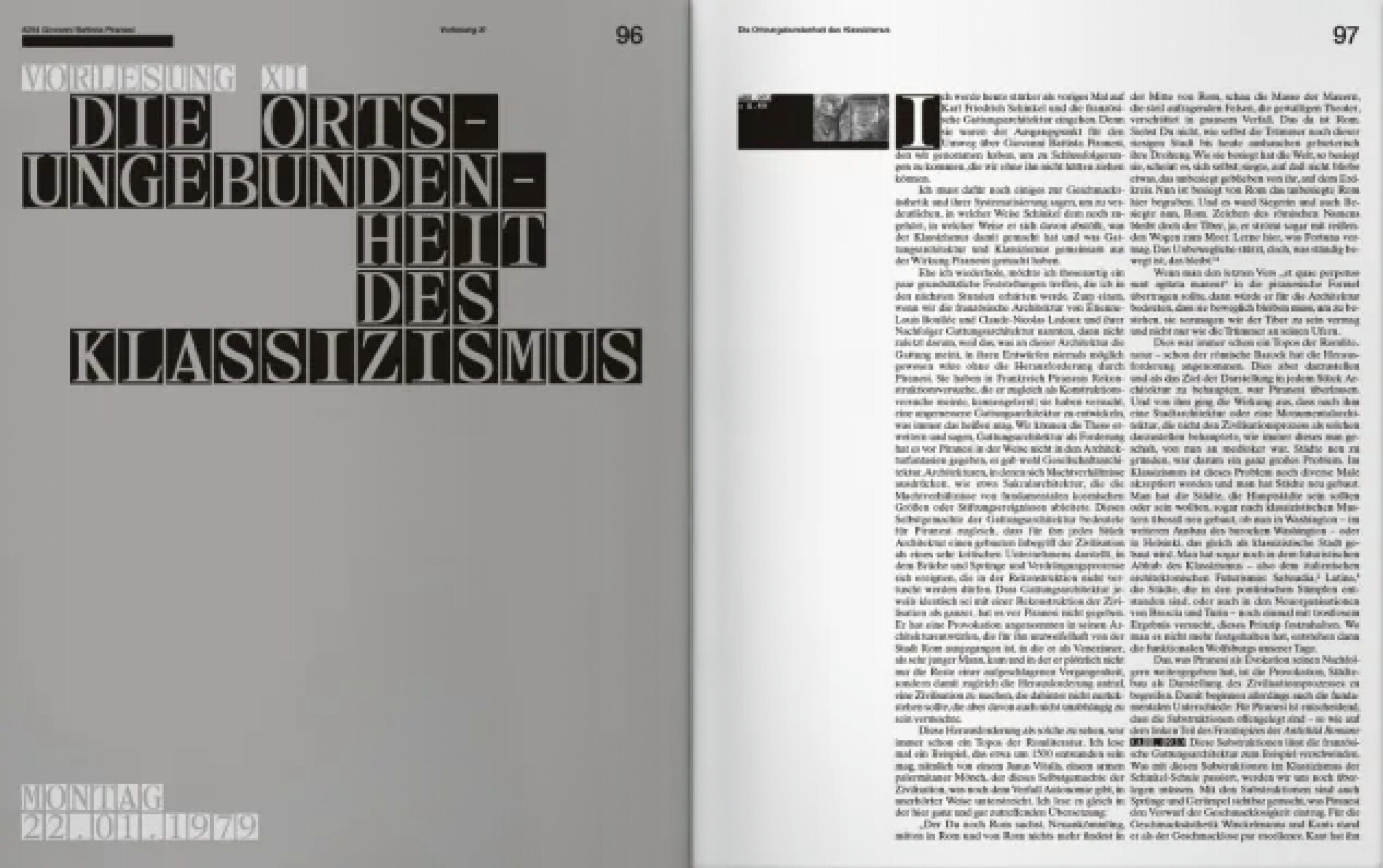
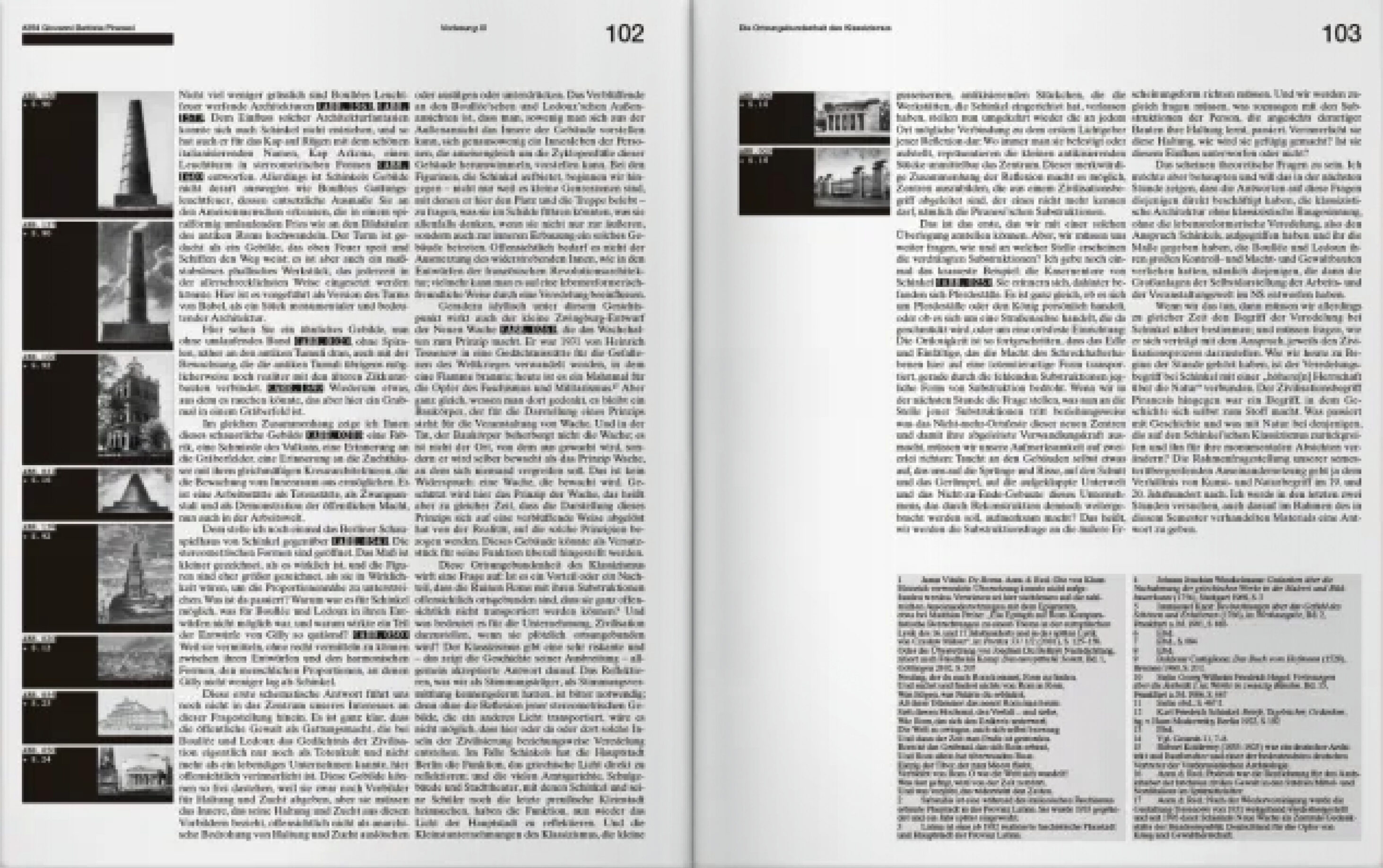
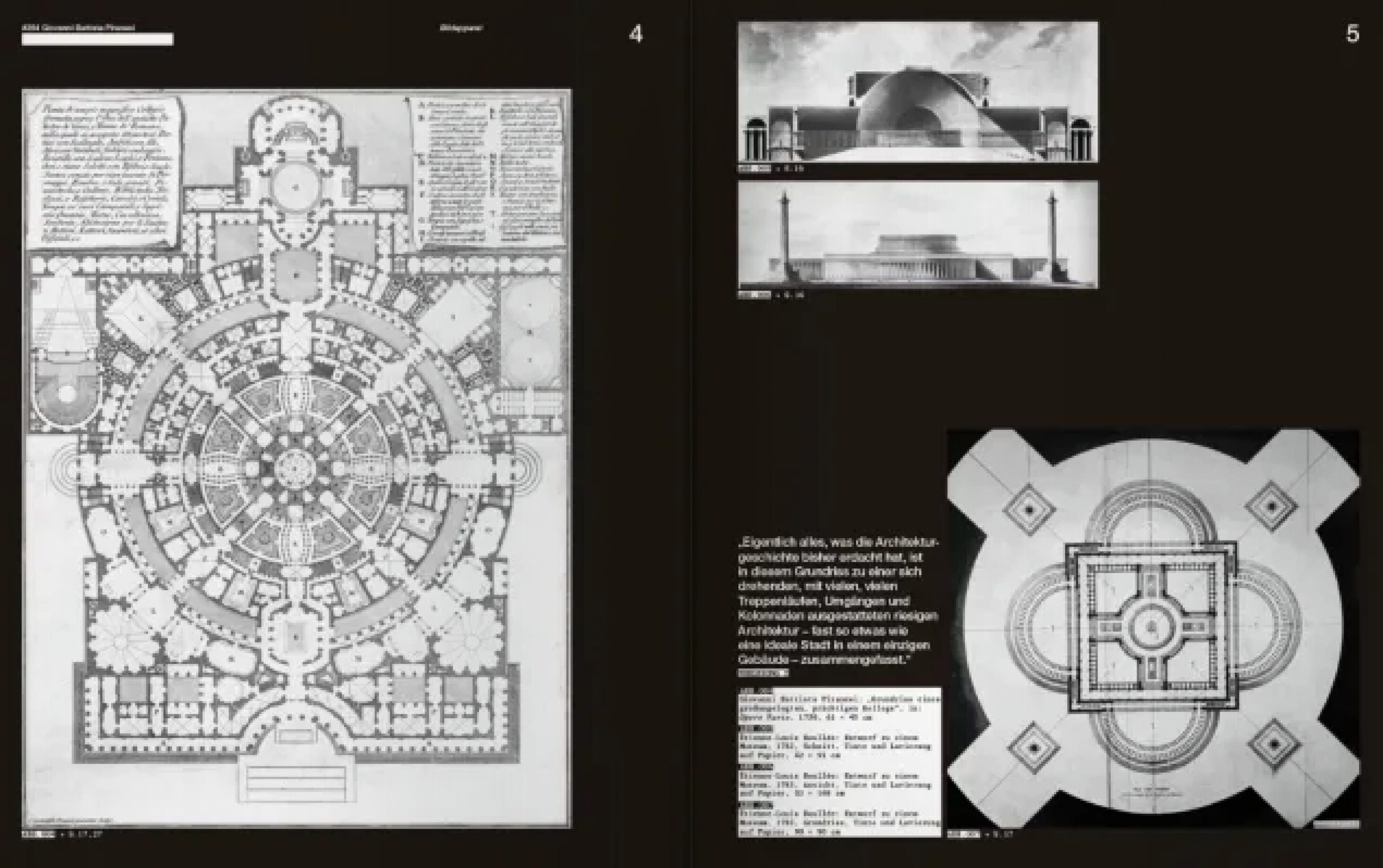
In der vorliegenden Vorlesung aus dem Wintersemester 1978/79 widmet sich Heinrich dem italienischen Künstler und Architekten Giovanni Battista Piranesi (1720–1778); dabei knüpft er nicht nur chronologisch, sondern auch thematisch an die vorangegangene Vorlesung zur Architektur von Karl Friedrich Schinkel und Albert Speer an. Heinrich begreift Piranesi als Antidot zum Rationalismus des Klassizismus, der seit Johann Joachim Winckelmann die »Entsinnlichung der Vergangenheit« betreibt. Wie selbstverständlich verwandelt sich in seiner Auseinandersetzung neben dem Mythos und der Kunst auch die Architektur zu einem Stoff der Aufklärung. Sie ist nicht auf ihr Gehäuse reduzierbar, vielmehr handelt es sich um eine leibhaftige Verkörperung der Gattungsgeschichte. Als historische und kosmologische Repräsentation stellen die Räume der Architektur damit jeweils die Realität im Ganzen dar: »sie sind, wo sie zu Ensembles zusammentreten, nicht Teile der Architekturgeschichte, sondern Stücke, Demonstrationsobjekte der Gattungs- und Zivilisationsgeschichte wie nur irgendeine Maschine, irgendein Kult, irgendeine Gedankenkonstruktion.«

Der bedeutende Einfluss auf die französische Revolutionsarchitektur und die Faszination, die bis heute von Piranesi ausgeht, erklärt sich deshalb weniger aus seinen modischen Neuerungen und technischen Innovationen als aus seinem Vermögen, »in der Architektur Dimensionen miteinander zu verknüpfen, die normalerweise nicht der Verknüpfung durch Architektur überlassen bleiben«. Piranesi präsentiert in seinen Entwürfen nicht nur, was im Raum einander verdrängt, sondern auch das, was in der Zeit einander ablöst. Bei dem Gerümpel, das er auftürmt, und den Elementen und Kulissen vergangener und gegenwärtiger Epochen, die er versammelt, handelt es sich, ebenso wie bei den Substruktionen, die seine Entwürfe tragen und den verschlungenen Labyrinthen, die sie durchziehen, um Erinnerungsstoffe, die allesamt für »Formen der Durcharbeitung« der Zivilisationsgeschichte stehen.

Piranesi geht in seiner »Zivilisationsarchitektur« nicht nur räumlich, sondern auch zeitlich in die Tiefe, worin sich zeigt sich, dass eine solche Auseinandersetzung mit der Zivilisationsgeschichte ein dem psychoanalytischen Aufklärungsprozess durchaus vergleichbares Unternehmen darstellt, das in der Auseinandersetzung mit dem Verdrängten und der Darstellung von Verdrängungsprozessen besteht.

For Klaus Heinrich, the aesthetic subject and the imagination in art represent instances of resistance against the transcendental subject and the rationalism of philosophy. By drawing on art and psychoanalysis, he brings to mind what philosophy has repressed: the drive-driven subject and the unresolved conflicts of the human species.

In this lecture from the winter semester of 1978/79, Heinrich focuses on the Italian artist and architect Giovanni Battista Piranesi (1720–1778); in doing so, he builds not only chronologically but also thematically on the previous lecture on the architecture of Karl Friedrich Schinkel and Albert Speer. Heinrich conceives of Piranesi as an antidote to the rationalism of Classicism, which, since Johann Joachim Winckelmann, has been engaged in the “de-sensualization of the past.” In his analysis, architecture—alongside myth and art—naturally transforms into a subject of the Enlightenment. It cannot be reduced to its physical form; rather, it is a living embodiment of the history of the genre. As historical and cosmological representations, the spaces of architecture thus each represent reality as a whole: “where they come together to form ensembles, they are not parts of architectural history, but rather fragments, demonstrative objects of the history of the genre and of civilization, just like any machine, any cult, any intellectual construct.”

The significant influence Piranesi had on French Revolutionary architecture and the fascination he continues to inspire today can therefore be explained less by his fashionable innovations and technical advances than by his ability to “link dimensions in architecture that are not normally left to architecture to connect.” In his designs, Piranesi presents not only what displaces one another in space, but also what succeeds one another in time. The clutter he piles up and the elements and backdrops of past and present eras he gathers—just like the substructures that support his designs and the intricate labyrinths that run through them—are all materials of memory that stand for “forms of reworking” the history of civilization.

In his “architecture of civilization,” Piranesi delves not only spatially but also temporally into the depths, revealing that such an engagement with the history of civilization constitutes an undertaking quite comparable to the psychoanalytic process of enlightenment, which consists in grappling with the repressed and in the representation of processes of repression.

Gewicht 1,6 kg
Größe 29,5 × 23,5 cm
Kategorie:
Updating

Zwischensumme: 65,00 

Warenkorb anzeigenKasse

Einkauf fortsetzen